
How We
Designed
Figmanions.
Nothing here is accidental. Every proportion, every magnet, every eye angle was a decision made in response to something observed — a child throwing a toy, a girl holding a leg and looking confused, an adult who lost interest in action figures because they stopped feeling real. This is the full record of how observation became a toy.
Design Process
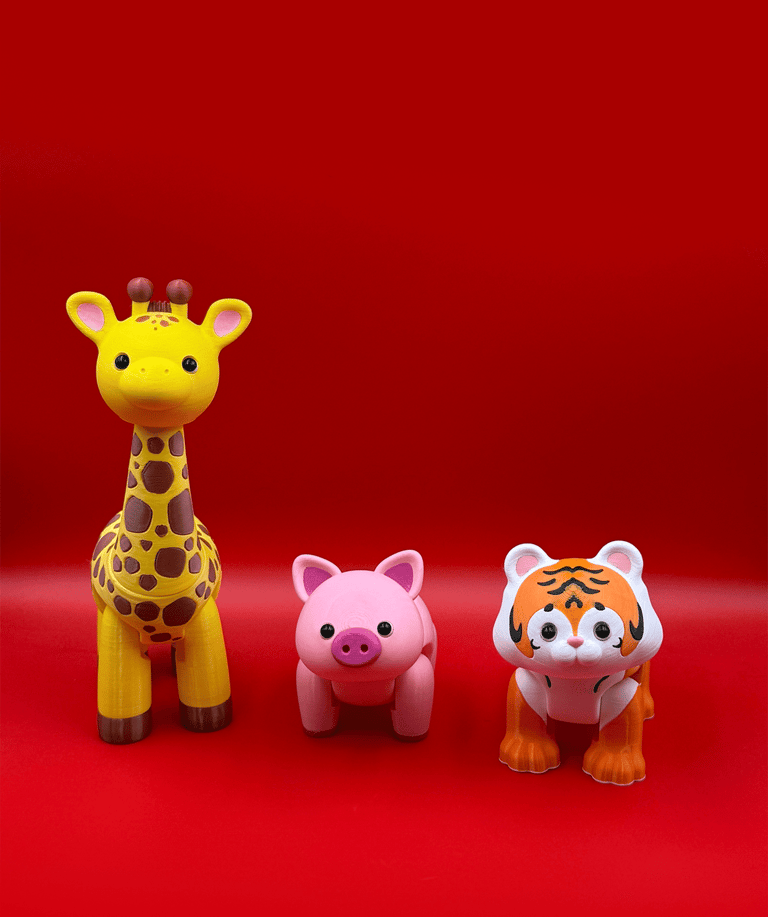
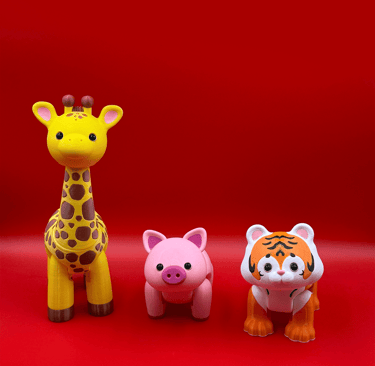
It's a Journey
Figmanions wasn't put together. It was figured out.
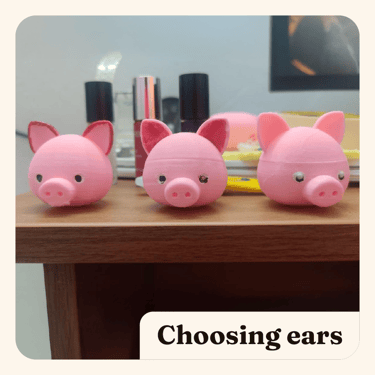
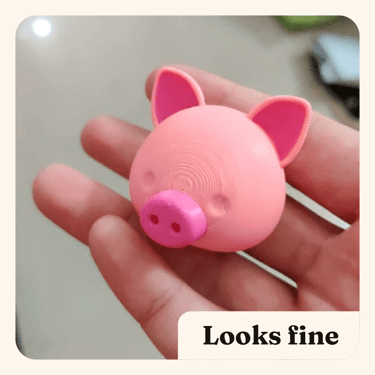
The cousin who only wanted things on the floor.
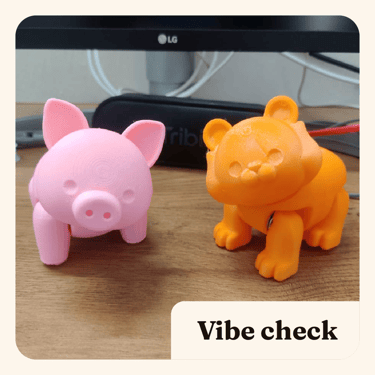
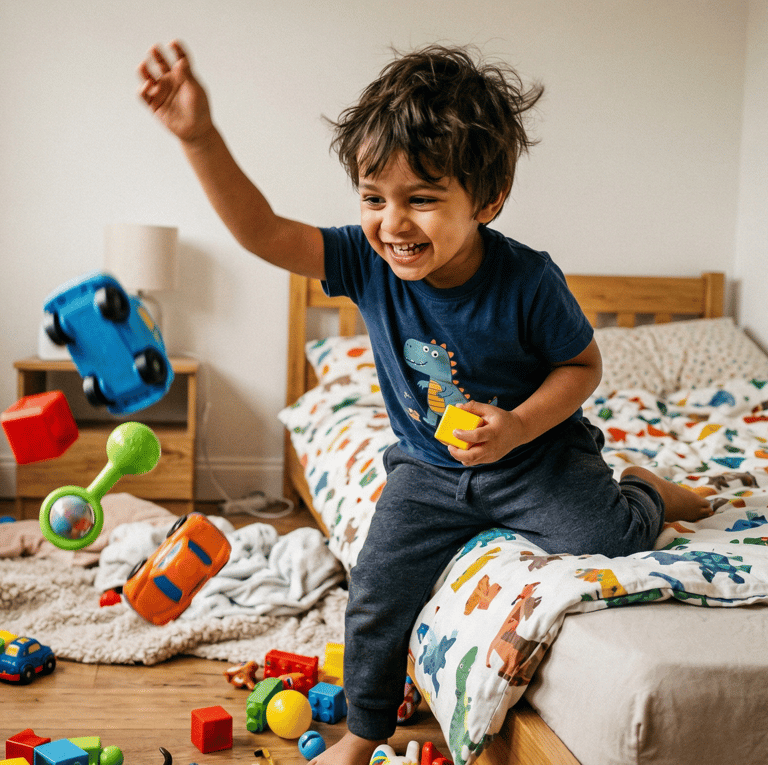
A 3 year old. Every play session followed the same pattern — pick up, throw, scatter. Not destruction. Satisfaction. The floor was the whole point. Most toy designers see throwing as a problem to prevent. We saw it as a behaviour worth designing around.

Observation 01
→ Breakable as a feature, not a flaw.
• 01 - DISCOVER
1
2
Cheap toys with wonky eyes taught kids that careless is normal.
Observation 02
The toys that got abandoned weren't the ones that broke. They were the ones that stopped feeling real — mis-registered prints, proportions that felt rushed, eyes that sat wrong on a face. A child who holds something carelessly made learns, quietly, that careless is acceptable. Figmanions are designed to the highest standard of cuteness — not as decoration, but as a commitment to what a child's hands deserve to hold.
→ Quality as a developmental lesson, not just a selling point.
3
Observation 03 - The Most Important Moment
A 3 year old. A leg. A body. A look that said everything.
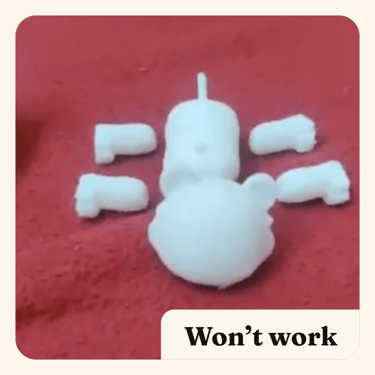
She held a piece in each hand, looked at both, then looked at us. Not frustrated. Just lost. She didn't know where it went. That silence was the original hexagonal joint system being rejected in real time.
"She didn't ask a question. She just looked at us. That was enough."
— The moment the joint system was scrapped
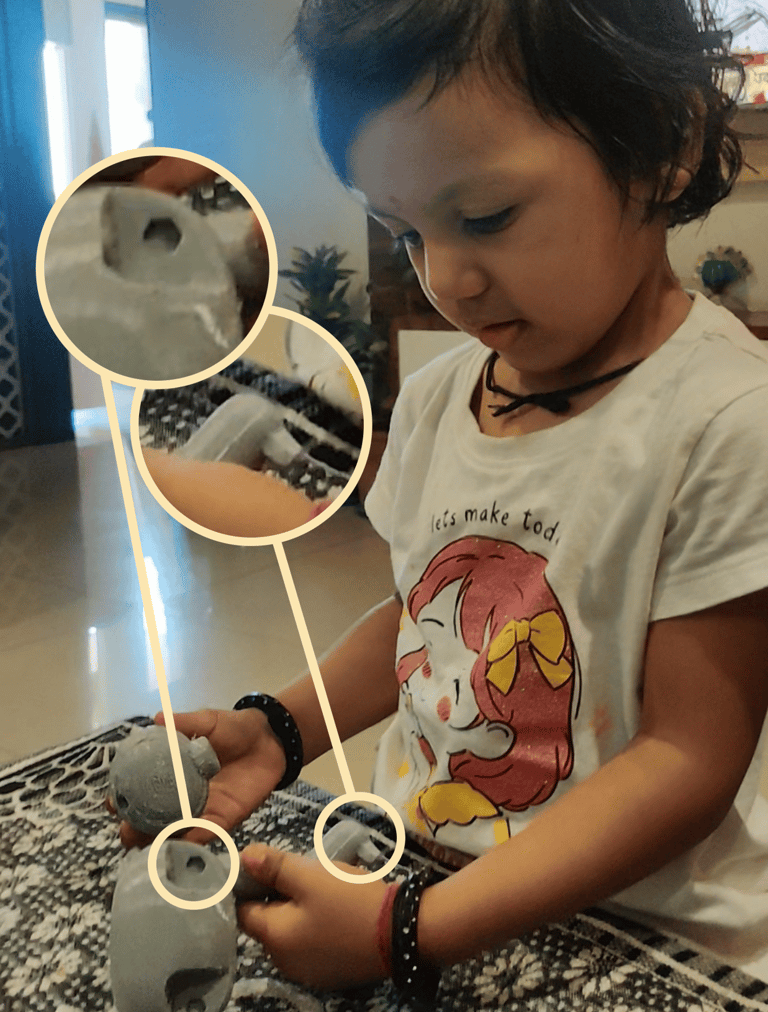
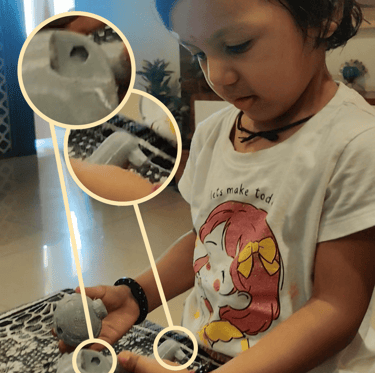
→ Connection must be self-guiding.
Four things we decided had to change.
Breakable should feel good, not bad. Children throw things not to destroy but to interact. The standard response — make it indestructible — removes the satisfaction without addressing the instinct.
The problems worth solving
→ Four problems. Four design directions.
• 02 - DEFINE
4
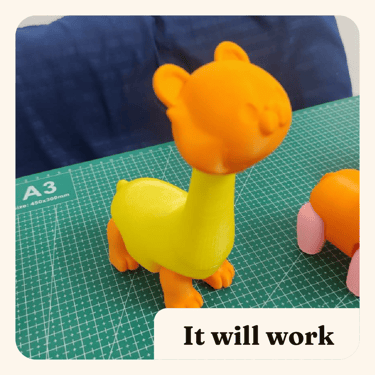
No wrong answers. Most educational toys guide a child toward one correct outcome. Real thinking doesn't work that way. We needed a toy where a tiger head on a pig's body with giraffe legs is entirely valid.
Toys face the wrong direction. A standard animal toy faces straight ahead — designed for an adult looking at a shelf. A child on a floor looks down and sees the top of a head. The eye contact that makes a toy feel alive never happens.
A toy with no history has no story. A pristine toy tells you nothing. A toy with a broken tail and a name written in marker has been lived in. We needed a toy designed to accumulate history, not resist it.
From hexagonal joints to magnetic connection.
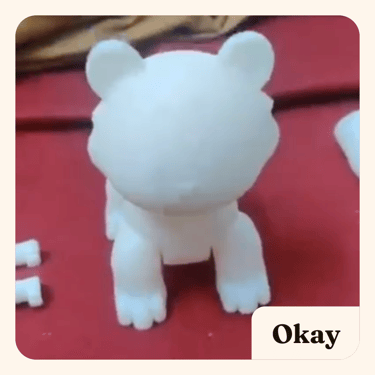
The original system used interlocking hexagonal parts with multiple rotational positions for posing. Elegant in theory. Confusing in small hands. Switching to embedded magnets solved this immediately — bring any two parts close and they find each other. No alignment needed.
What we didn't expect: posing freedom increased. Magnetic connections allow subtle angular variation that rigid joints cannot. A leg can angle outward. A head can tilt. The toy has more life, not less.
Magnets are embedded fully inside the body — not surface-bonded. An exposed magnet is a swallowing hazard if it detaches. Internal embedding increases production time and cost. We kept it anyway.A
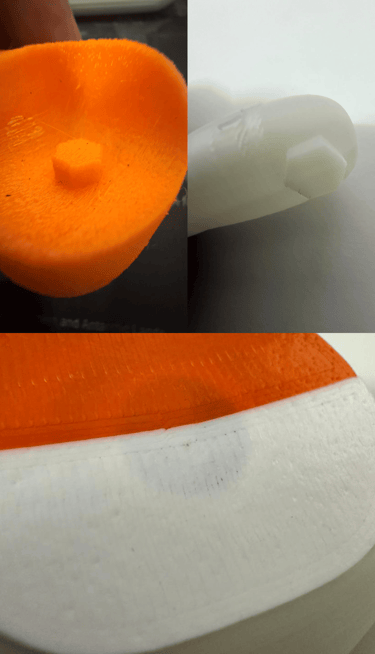
Iteration 01 — Connection System
→ Magnetic, internal, self-guiding. More posing than before.
• 03 - DEVELOP
5
6
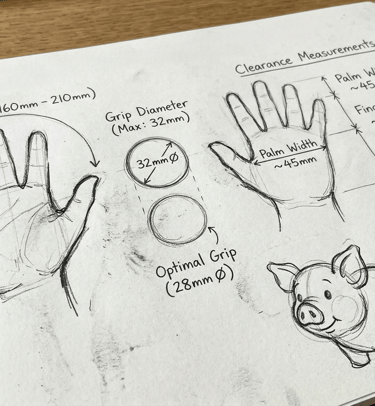
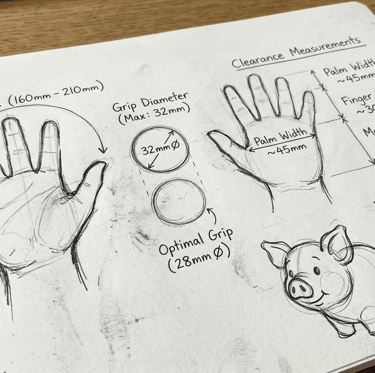
Sized using reach and clearance data for ages 2–4.
Iteration 02 — Sizing
Final dimensions were determined using published anthropometric research on child hand anatomy — specifically reach distance, meaning how far small fingers extend to grip an object, and clearance, meaning the minimum body width a child's hand can wrap around comfortably without strain.
Most toys are sized for adult aesthetics or shelf presence. Figmanions are sized for the hands that will actually hold them.
→ Dimensions set by child hand data, not visual preference.
7
Iteration 03 — Eyes & Head Angle
Lower. Angled per character. Always looking at you.
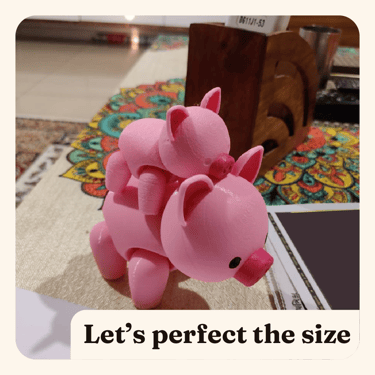
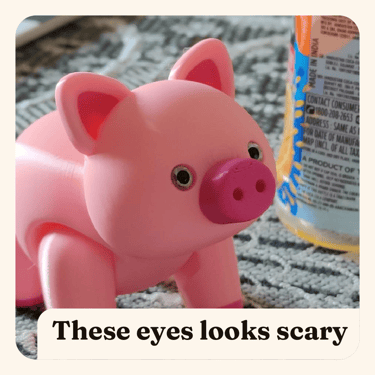
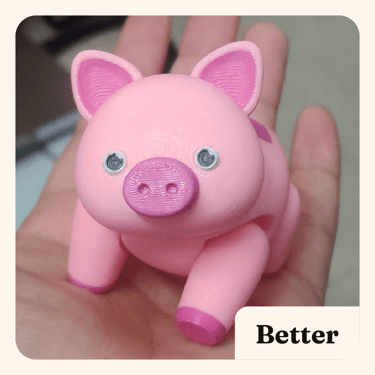
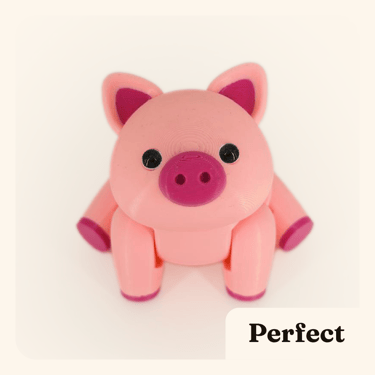
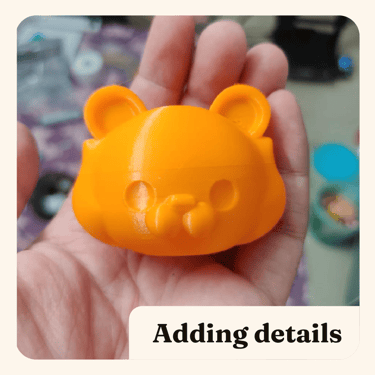
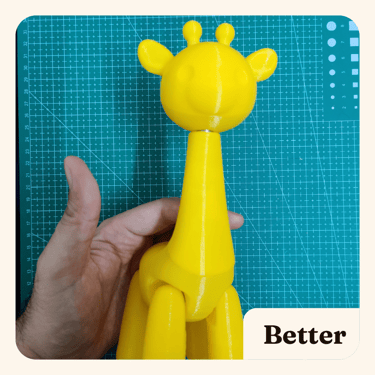
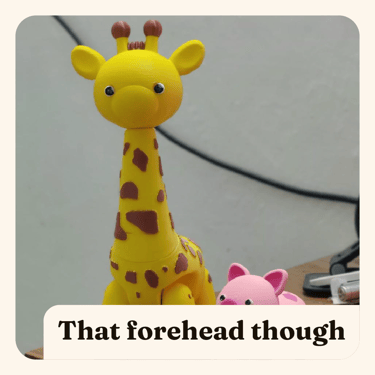
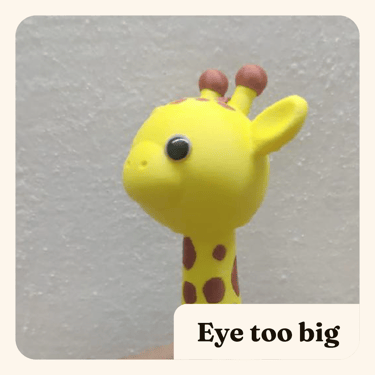
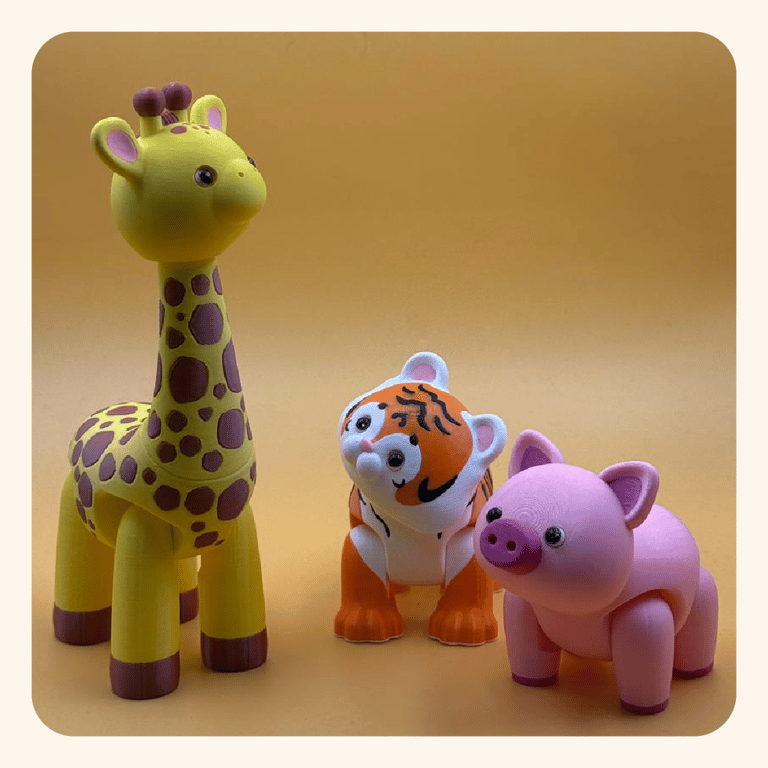
Eyes are placed lower on the face than anatomically correct. Lower eye placement on a round face triggers Kindchenschema — the biological response humans have to infant features. It creates an involuntary feeling of warmth and protectiveness. Every Figmanion uses this. Each animal's eye socket is then rotated to a specific angle, giving each character a distinct personality without changing any other feature.
The head itself is angled forward and downward. Standard animal toys face straight ahead — designed for adults looking at a shelf. A child on the floor looks down and sees only the top of a head. The eye contact that makes a toy feel alive never happens. Figmanions are designed to look back at whoever is playing with them, at any angle.
Surri
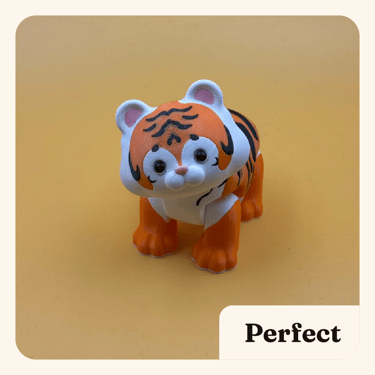
Eyes straight. Simple, sweet, open. Calm personality in the socket angle alone.
Labbi
Socket tilted slightly up, lids heavy. Gentle, dreamy, always looking at something just out of view.
Balli
Socket rotated inward and down. Alert, mischievous, always mid-plan.
→ Eye placement, socket angle, and head orientation are all character decisions.
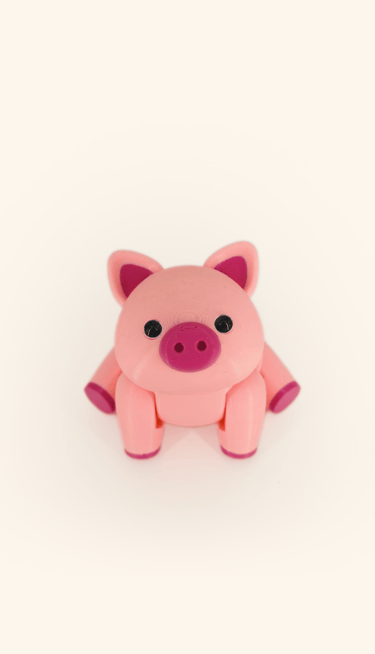
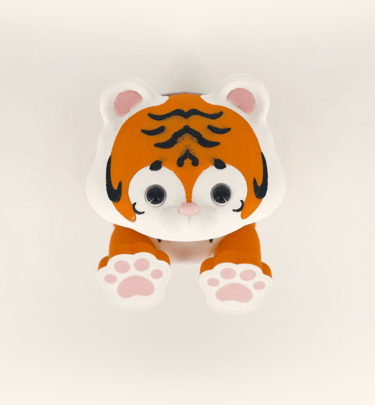
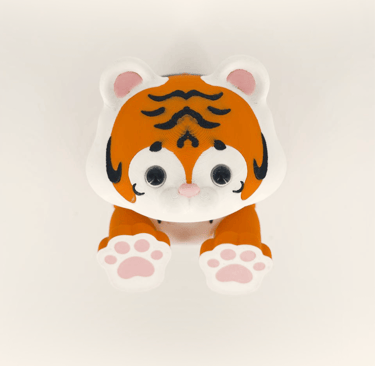
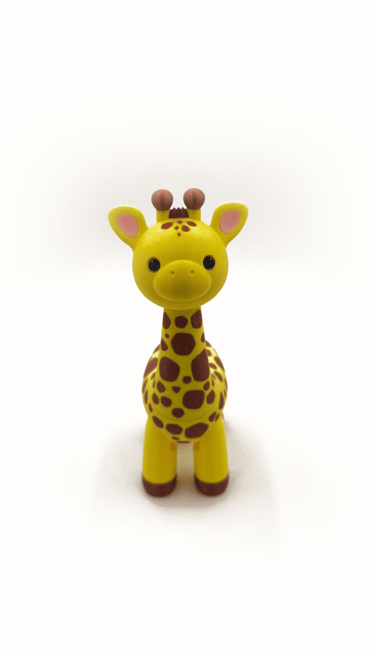
Why a giraffe, a pig, and a tiger.
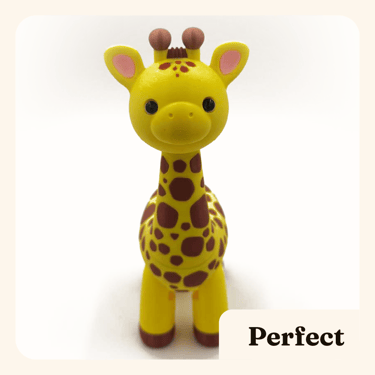
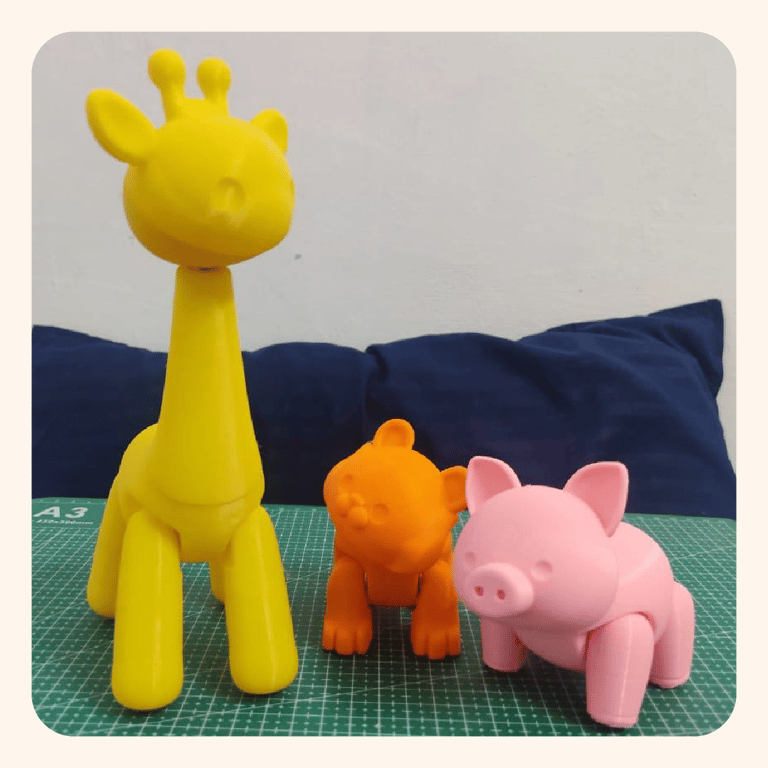
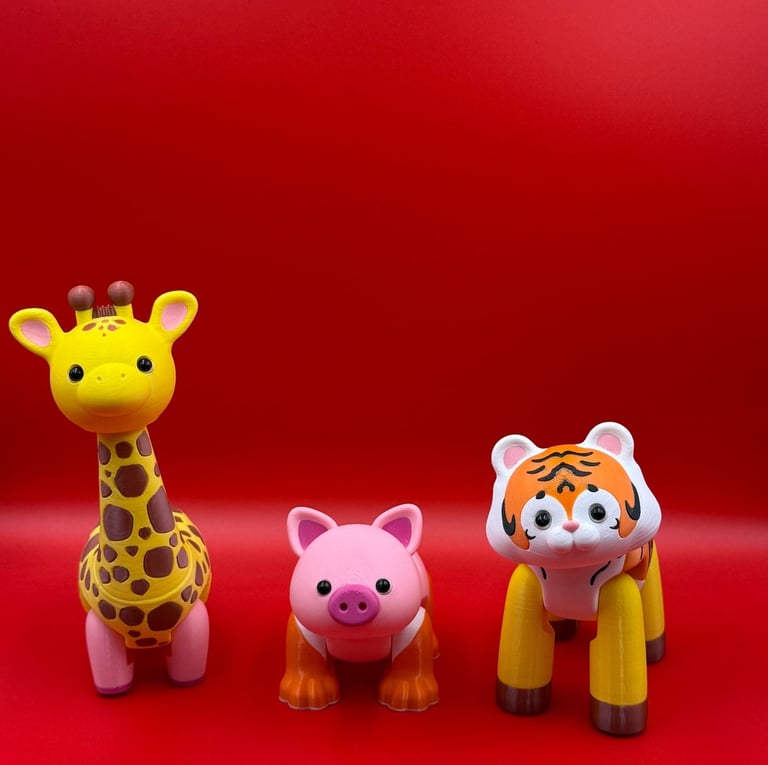
Three animals chosen for maximally distinct silhouettes — a long neck, a round compact body, a bold striped face. A child can tell them apart from across a room before they can read the names on the neck. They are also three of the most universally recognised animals for young children, which means no introduction is needed and play begins immediately.
Final Decision 01 — Animal Selection
→ Distinct. Familiar. Immediately playable.
• 04 - DELIVER
8
9
The tail that breaks. The name that stays.
Final Decision 02 — Ownership
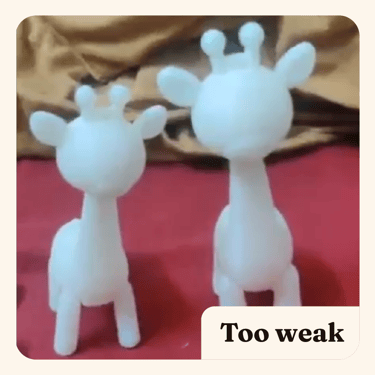
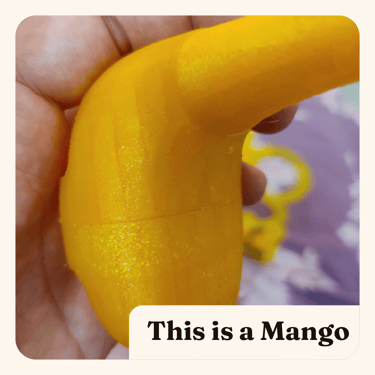
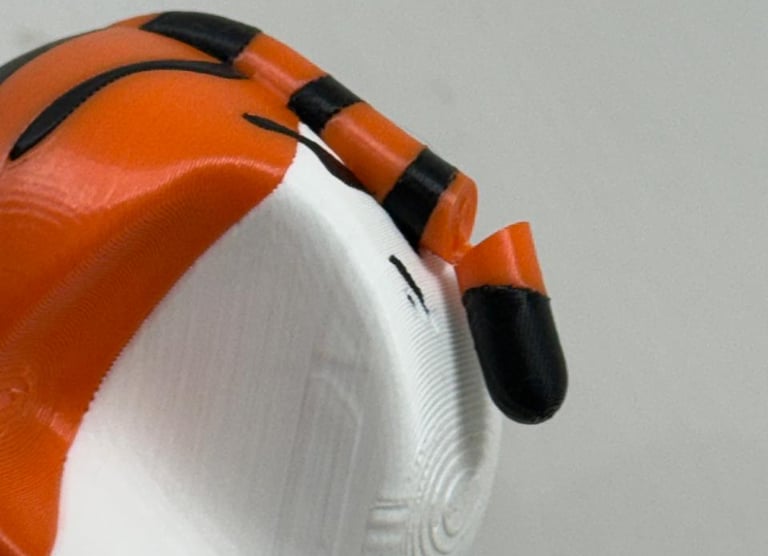
Each Figmanion has a small tail section that is deliberately the weakest structural point. It was discovered in production — not planned. When we saw it break cleanly during energetic play, we kept it. A toy with a broken tail has been played with. A pristine toy has been preserved. Figmanions are designed to be played with.
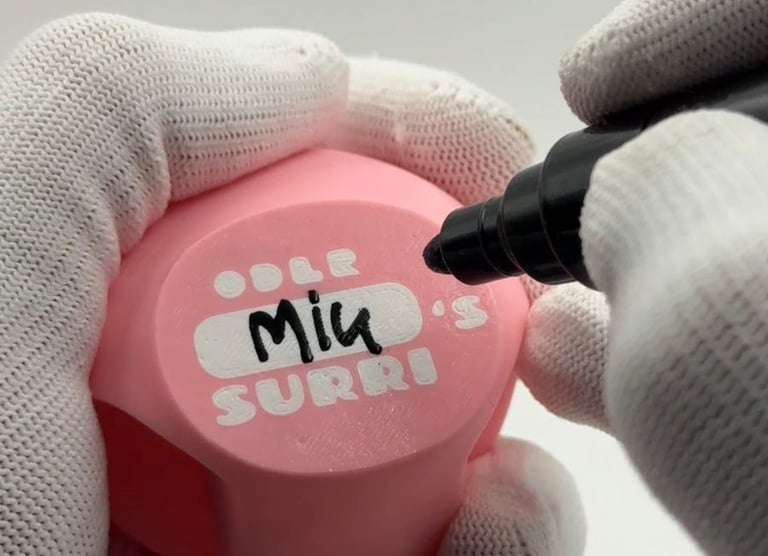
On the neck of each Figmanion, a blank space is printed directly into the part during production: ___'s Surri. ___'s Balli. ___'s Labbi. A child writes their name with a marker. The personalisation happens in their home, in their own handwriting. The toy becomes structurally theirs.
→ A broken tail is proof of a good childhood.
10
Final Decision 03 — Play Philosophy
Not a statue. Not a kit. Deliberately in between.
A fully static figure does nothing — placed on a shelf, stays on a shelf. A complex assembly kit imposes the designer's imagination onto the child's. Figmanions sit deliberately between these two failures — structured enough to have distinct characters with names and personalities, open enough to have infinite combinations with no correct answer and no wrong Figmanion.
The magnetic connection also means Figmanions stick to any metal surface — a fridge door, a filing cabinet, a car door. Where they end up is entirely the child's decision. That was never designed. It just turned out to be exactly right.
→ Imagination doesn't have rules.
Designed with intention.
Played with freedom.
Figmanions are the first product under ODLR — a design practice built on observation, deduction, and logical reasoning. Every product we make goes through the same process: watch first, design second, test against reality, keep only what earns its place.
If you are a brand, studio, or manufacturer who wants to work with a designer who thinks this way — we would like to hear from you.
0
Wrong answers
∞
COMBINATION